What to do if you are worried or concerned about something
Childline is a free 24-hour counselling service for children and young people up to their 19th birthday in the United Kingdom provided by the NSPCC. Childline deals with any issue which causes distress or concern, common issues dealt with include child abuse, bullying, mental illness parental separation or divorce, pregnancy, substance misuse, neglect and psychological abuse. Childline is yours – a free, private and confidential service where you can be you. Whatever your worry, whenever you need help, however you want to get in touch. They are there for you online, on the phone, anytime.
A childline counsellor:
- Will listen to you
- Knows it takes courage to contact us
- Is genuine, open and friendly
- Knows about the problems young people can face
- Wont judge you or put you down
- Isn't easily shocked
- Will let you take your time
CONTACTING CHILDLINE
You can talk to them about anything. No problem is too big or too small.
Call them on 0800 1111 or get in touch online. However you choose to contact them, you’re in control. It’s confidential and you don’t have to give your name if you don’t want to.
OUR CONFIDENTIALITY PROMISE
Confidentiality means not telling anyone else about what you’ve said. So whatever you say will be just between you and Childline and you can feel safe talking to them, knowing that no one else will find out. But sometimes, if they are worried about your safety, they may need to get you help.
Dealing with Exams and Tests
Exams can feel like a lot of pressure. You might need certain grades for a course or job. Or your parents, carers or teachers might be putting pressure on you. You might be putting lots of pressure on yourself as well.
No matter where the pressure is coming from, there are ways to help you cope:
- Think positively
When we feel anxious, we can start thinking things like ‘I can’t do this’ and ‘I’m going to fail’. It can be difficult, but try to replace these with positive thoughts such as: ‘this is just anxiety, it can’t harm me’ and, ‘relax, concentrate - it's going to be okay’.
- Be honest about how you feel
Sometimes people can put pressure on you without even realising and sometimes it can help to talk about how it makes you feel. Talking about things can help you to think about other ways they can support you in the future.
- Don’t compare yourself to your friends
Competing with your friends can help to keep you motivated. But it can also make you feel like you’re not good enough, especially on social media. Try keeping a list of the revision you’ve done so you can see how much you’re achieving.
- Let your stress out
Try using an art box or a Mood Journal to describe how the pressure makes you feel. Or write a letter to someone you trust saying what’s happening
Worry Boxes and Emotional Registers
What is a Worry Box?
A worry box is a safe place where you can put your worries if something is bothering you.
If you are feeling worried, upset, confused, or just need help, you can write it down (or draw a picture) and post it in the worry box.
A trusted adult in school will check the worry box and help you with your worry. You don’t have to give your name if you don’t want to.
Remember — you are never in trouble for sharing a worry, and you are not alone.
What is an Emotional Register?
An emotional register helps you show how you are feeling.
When you come into class, you can choose the number/picture that matches how you feel — happy, calm, worried, sad, excited, or something else.
This helps your teacher understand how you are feeling and how to support you. You can change your choice during the day if your feelings change.
There are no right or wrong feelings — all feelings are okay.
Sleeping better
10 Tips for Better Sleep
- Do some exercise
- Caffeine and sugar will keep you awake
- Eat earlier for a good night's sleep
- Relax before going to bed
- Make sure you are comfortable
- Write it down
- List things that make you feel good
- Turn off your phone
- Picture yourself in your favourite place
- Breathe deeply
Adults in School
All adults in school are trained to support you with any worries or concerns you may have.
In you classes you have teacher and teaching assistants along with other adults who you can talk to.
If you can't talk to those then there are 3 other adults whose responsibility it is to keep you safe.
We wear orange lanyards around our necks and there are pictures of us all around school.
If you need to talk just find an adult to talk to and they will do their very best to support you.
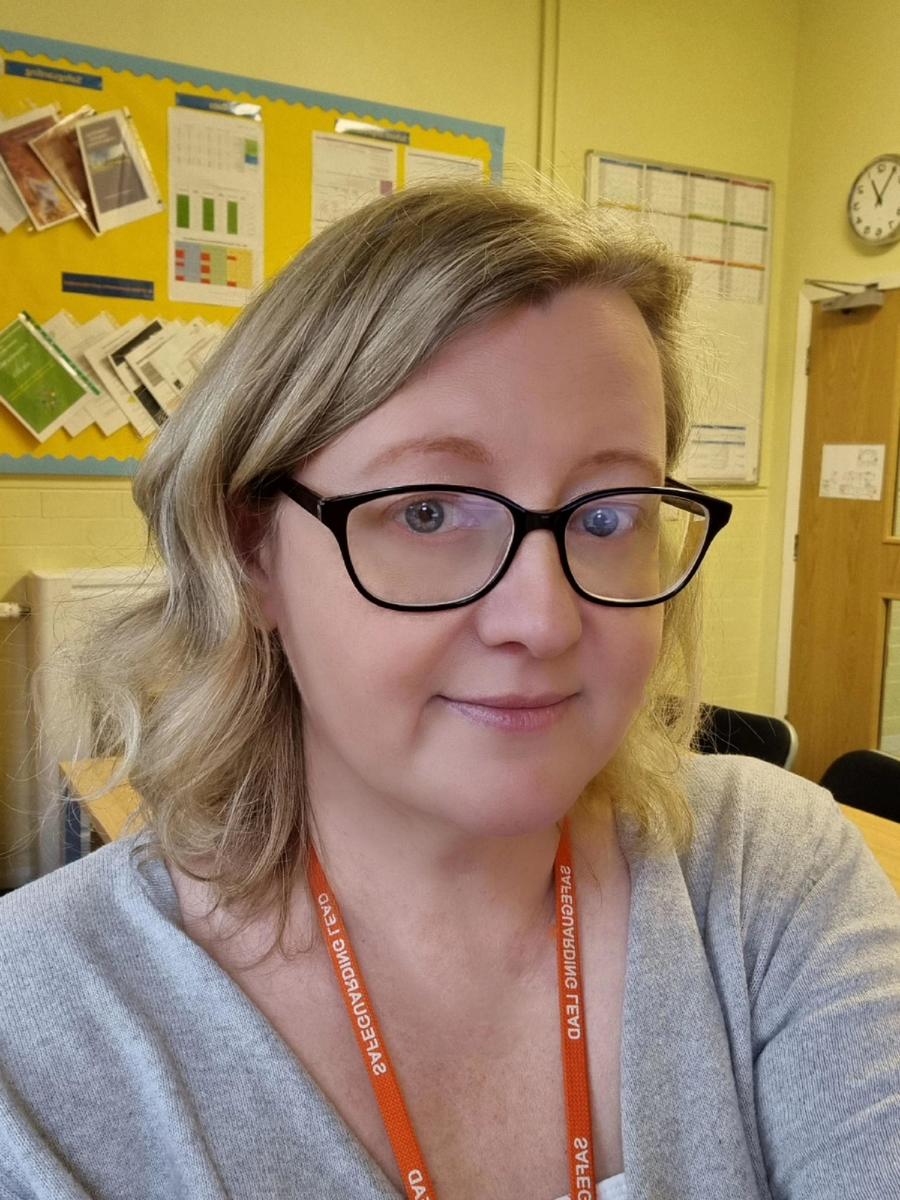
Mrs. Thompson (Designated Safeguarding Lead)

Mr. Taylor (Deputy Designated Safeguarding Lead)

Mrs. Ashworth (Deputy Designated Safeguarding Lead)